%201.svg)

.svg)

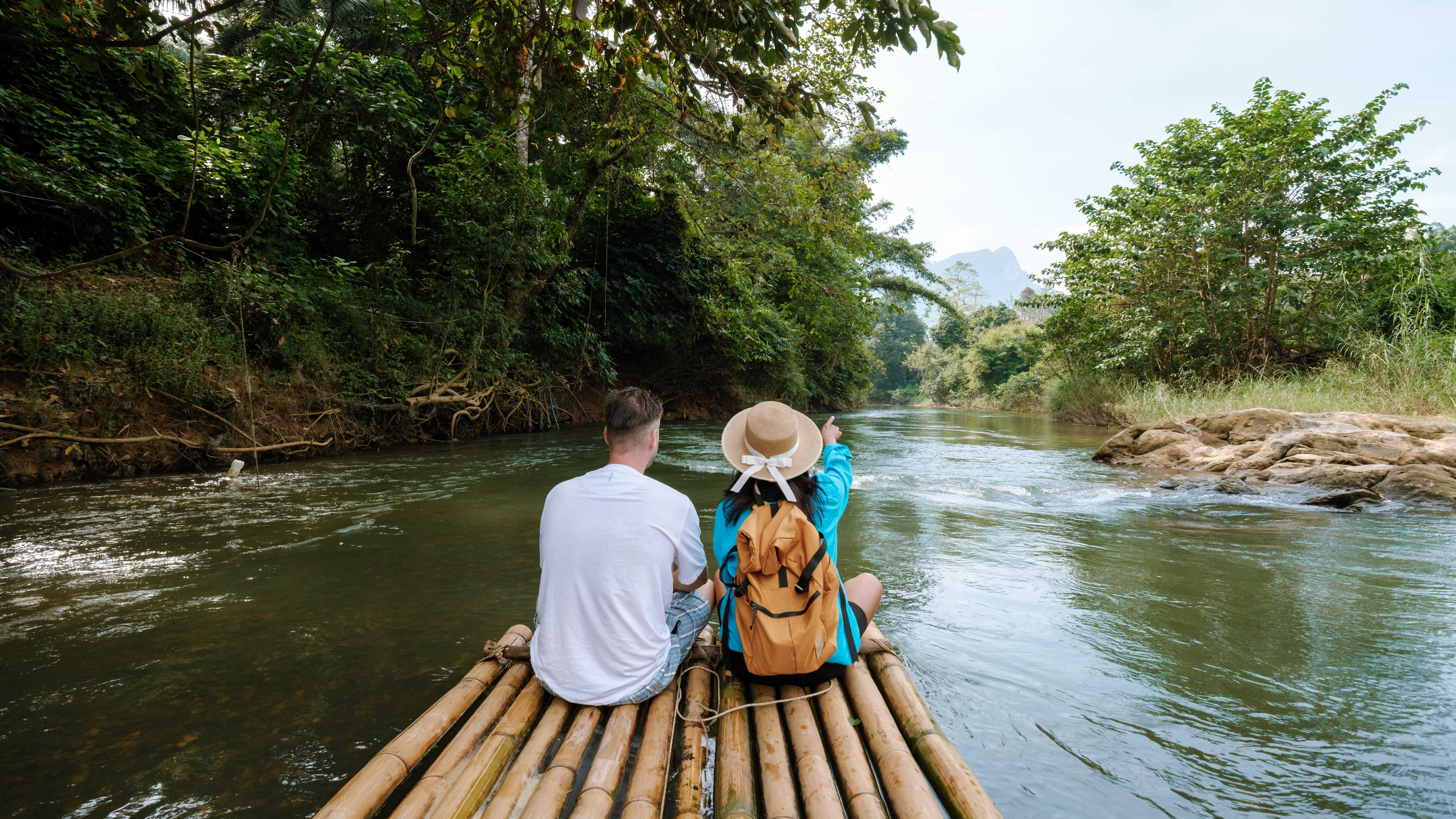
The global community-based tourism (CBT) market was valued at $575.9 billion in 2022 and is projected to reach $2.13 trillion by 2032. The numbers prove that travelers increasingly seek authentic, locally owned experiences, yet many CBT programs still rely on the same formula: a strategy document, a few workshops, small grants, and a website that generates little demand.
In Trove's latest white paper, we explore why so many CBT initiatives lose momentum after their first year and what it takes to build programs that endure. Drawing on more than a decade of fieldwork and 10+ destination engagements, the paper argues that success depends on creating a complete system, not just individual interventions. Too often, communities are trained but never become bookable, products are branded but never reach the market, and digital visibility is treated as an afterthought rather than essential commercial infrastructure.
The paper introduces the Trove CBT Incubation Model, a seven-phase framework that helps community enterprises progress from informal operations to visitor-ready, market-ready, and export-ready businesses. Six destination case studies illustrate the approach in action, from Jamaica's award-winning Yaad Luv campaign to Andros cluster development and cruise-readiness initiatives in South Eleuthera.
For tourism boards, ministries, development banks, and donor agencies, this paper offers a practical roadmap for turning community tourism into a sustainable economic engine rather than an aspirational concept.
Request and download the full white paper below.





%201.svg)